In this auspicious occasion, we are delighted to delve into the intriguing topic related to Navigating Kazakhstan: The Power of Vector Maps. Let’s weave interesting information and offer fresh perspectives to the readers.


Kazakhstan, a vast and diverse nation spanning Central Asia, offers a rich tapestry of cultural heritage, natural wonders, and economic potential. Understanding its geography is crucial for navigating its complexities, and vector maps serve as invaluable tools for this purpose.

Vector maps, unlike raster maps, are composed of mathematical equations that define points, lines, and polygons. This structure allows for scalability without loss of detail, making them ideal for representing geographical features with accuracy and precision.
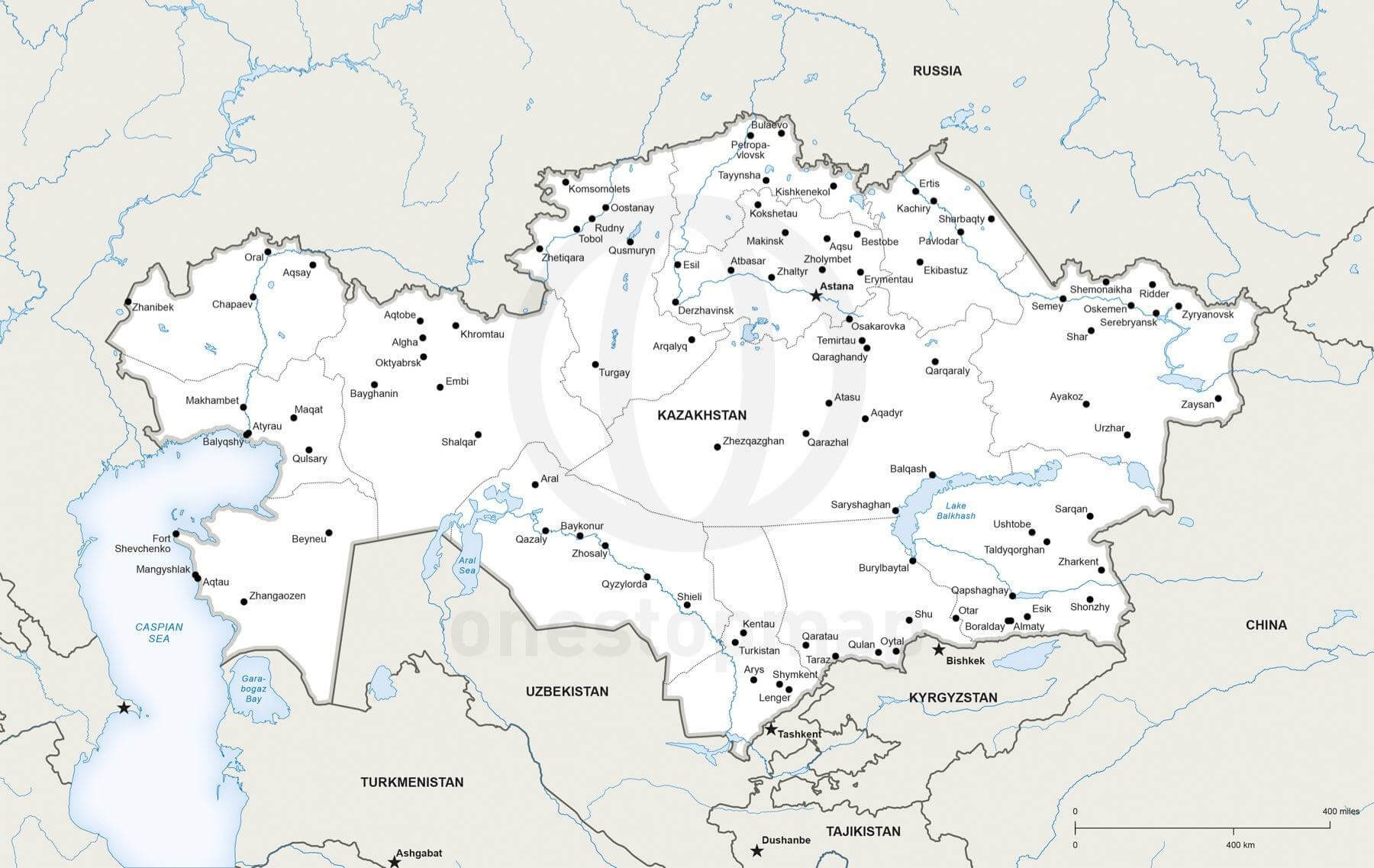
Vector maps are instrumental in various domains within Kazakhstan, facilitating informed decision-making and efficient resource allocation.

The benefits of vector data extend beyond traditional mapping. They serve as the foundation for Geographic Information Systems (GIS) and other spatial analysis tools, enabling advanced data analysis and visualization.

Vector data facilitates collaboration and data sharing between different stakeholders, such as government agencies, researchers, and private companies. This enables comprehensive analysis and coordinated efforts in various sectors.
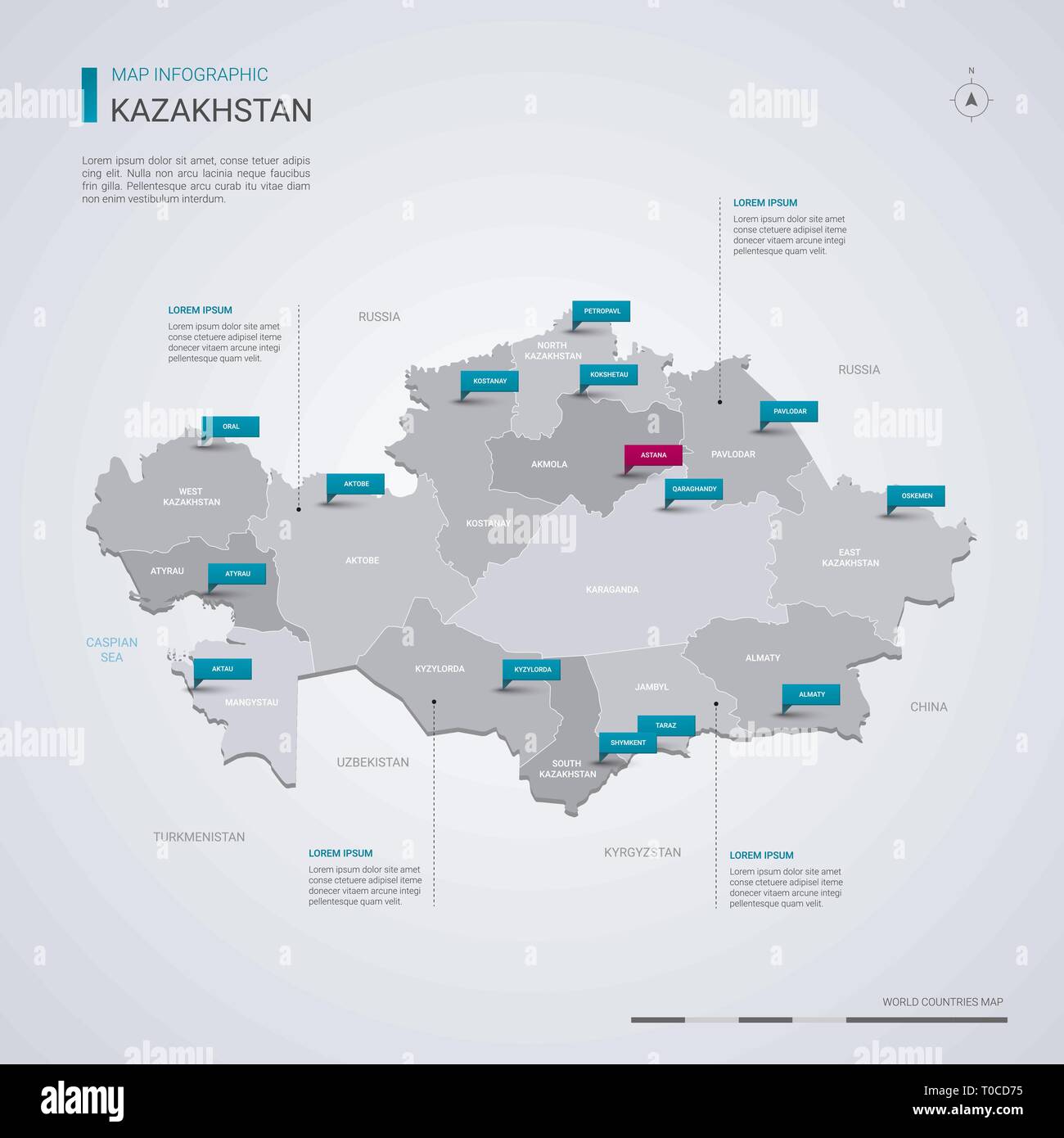
Vector data can be classified into points, lines, and polygons. Points represent specific locations, lines represent linear features like roads, and polygons represent areas like lakes or forests.

2. What are some popular software programs used for working with vector maps of Kazakhstan?
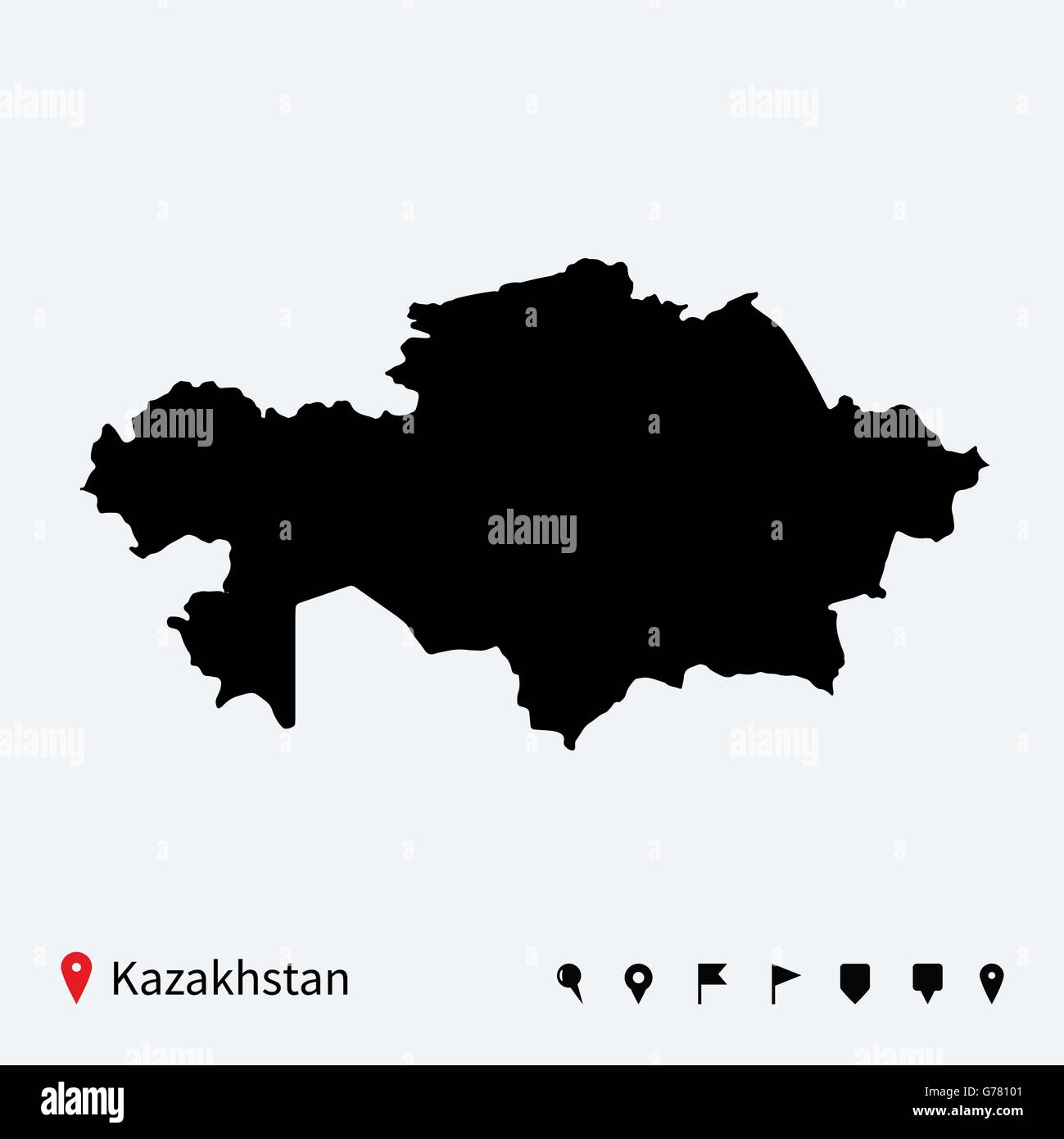
Popular software programs for working with vector maps include ArcGIS, QGIS, and Google Earth Pro. These programs offer tools for data visualization, analysis, and manipulation.
Reliable sources for vector map data include government agencies, research institutions, and commercial mapping companies.
Challenges include data accuracy, data availability, and access to advanced software and hardware for processing and analyzing vector data.
Future trends include the integration of 3D modeling, real-time data updates, and increased use of open-source software for data analysis and visualization.
Vector maps are indispensable tools for understanding and navigating the complexities of Kazakhstan’s geography. They provide a foundation for informed decision-making, efficient resource allocation, and sustainable development. By harnessing the power of vector data and GIS technologies, Kazakhstan can effectively address its challenges and capitalize on its opportunities, paving the way for a brighter future.
Thus, we hope this article has provided valuable insights into Navigating Kazakhstan: The Power of Vector Maps. We appreciate your attention to our article. See you in our next article!
Your email address will not be published.